Weed Control 101
Weed Control 101: Broadleaf Weeds, Grassy Weeds, and the Best Timing for Effective Treatment
A healthy lawn doesn’t happen by luck — it’s the result of consistent care, good mowing habits, and smart weed control. Whether you’re battling clover, dandelions, summer grass, paspalum, or the ever‑annoying Poa annua, understanding how weeds grow (and when they’re most vulnerable) is the key to keeping your lawn looking sharp.
This guide breaks down the two main weed types, the difference between pre‑emergent and post‑emergent control, and the best seasonal timing for effective treatment in New Zealand conditions.
Broadleaf Weeds vs Grassy Weeds
Not all weeds behave the same, and they certainly don’t respond to the same treatments. Knowing what you’re dealing with helps you choose the right product and the right timing.
Broadleaf Weeds
Broadleaf weeds are easy to spot because they look nothing like grass. They have wider leaves, often grow in clumps, and stand out visually.
Common broadleaf weeds in NZ lawns include:
Clover
Dandelion
Plantain
Creeping oxalis
Onehunga weed (prickle weed)
How to Control Broadleaf Weeds
Broadleaf weeds respond well to selective broadleaf herbicides, which target the weed without harming the lawn. These treatments work best when the weed is actively growing, which in NZ typically means:
Spring
Early summer
Early autumn
These periods offer warm soil, good moisture, and steady growth — perfect conditions for herbicides to move through the plant and reach the root system.
---
Grassy Weeds
Grassy weeds look similar to lawn grass but grow differently and often faster. They blend in until they take over.
Common grassy weeds include:
Summer grass
Crowfoot
Paspalum
Poa annua (winter grass)
How to Control Grassy Weeds
Grassy weeds are trickier because they’re biologically similar to your lawn. Many require specialised herbicides, and some (like paspalum) may need repeat treatments.
Grassy weed control is most effective when the weeds are:
Young
Actively growing
Not stressed by heat or cold
This makes spring and autumn the prime windows for treating Poa annua and summer grasses. These seasons offer the most reliable growth conditions for herbicides to work effectively.
---
Pre‑Emergent vs Post‑Emergent Weed Control
To keep weeds under control long‑term, you need both prevention and treatment.
Pre‑Emergent Herbicides (Prevention)
Pre‑emergent products stop weed seeds from germinating. They don’t kill existing weeds — they prevent new ones from appearing.
Best used for:
Summer grass
Winter grass (Poa annua)
Annual grassy weeds
Onehunga weed
When to Apply Pre‑Emergents
Timing is everything:
Early spring — to prevent Poa annua
Late spring — to block summer grasses before they germinate
Late summer / early autumn — to reduce Onehunga weed and late‑season germination
A well‑timed pre‑emergent can dramatically reduce weed pressure for the entire season.
Post‑Emergent Herbicides (Treatment)
Post‑emergent products kill weeds that are already visible. These include broadleaf sprays, grassy weed killers, and spot‑treatment herbicides.
Best Time for Post‑Emergent Spraying
Post‑emergent herbicides work best when weeds are:
Actively growing
Not drought‑stressed
Not in cold dormancy
This makes spring, early summer, and autumn the most effective treatment periods.
Spot Treatments: Essential for Summer
Even with good prevention, summer heat and irrigation can trigger sudden weed outbreaks. Spot treatments are ideal for:
Isolated patches of summer grass
Clover after rain
Onehunga weed before it seeds
Any weed that appears between full‑lawn treatments
Spot spraying avoids blanket herbicide use and keeps your lawn healthier long‑term.
Why Timing Matters: Active Growth = Best Results
Herbicides rely on the plant’s internal processes to move the chemical through the leaves and into the root system. When weeds are actively growing, they absorb herbicides faster and more completely.
This is why spring and autumn are the golden windows for controlling Poa annua and summer grasses — the plants are growing steadily, but not stressed by extreme heat or cold.
Final Thoughts: A Smart Weed Control Plan Saves Time and Money
Effective weed control isn’t about spraying randomly — it’s about understanding weed types, growth cycles, and seasonal timing.
Here’s the quick summary:
Broadleaf weeds → treat during active growth
Grassy weeds → treat early, especially in spring and autumn
Pre‑emergent → prevents weeds before they appear
Post‑emergent → kills existing weeds
Spot treatments → ideal for summer outbreaks
Best results → when weeds are actively growing
A well‑timed weed control plan keeps your lawn thick, healthy, and far more resistant to future weed invasion.
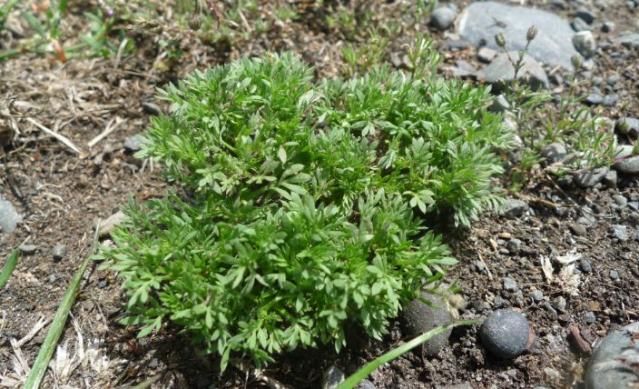
Image Credit: Onehunga weed, Soliva sessilis Ruiz & Pav., collected 9 February 2011, Mana Island, around buildings at landing area., New Zealand. Field collection 2010-2011. CC BY-NC-ND 4.0. Te Papa (SP089708)