What is Localised Dry Patch?
Localised Dry Patch in Lawns: What It Is, Why It Happens, and How to Fix It
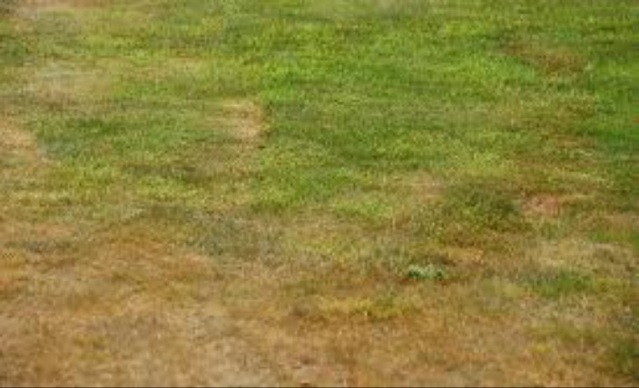
If you’ve noticed stubborn brown patches in your lawn that refuse to green up — even with plenty of water — you’re probably dealing with Localised dry patch (LDS). It’s a common issue in New Zealand lawns and one of the trickiest to fix. Even well‑maintained lawns can develop it, and it often takes time and patience to fully resolve.
What Is Localised Dry Patch?
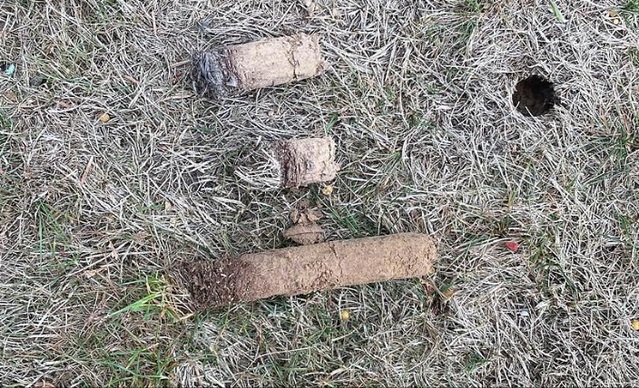
Localised dry patch occurs when soil becomes hydrophobic, meaning it repels water instead of absorbing it. Water beads on the surface or runs off, leaving the grass roots dry no matter how much you irrigate.
Common signs include:
Brown or straw‑coloured patches
Soil that feels hard, dusty, or crusty
Water that refuses to soak in
Patches that don’t respond to normal watering or fertiliser
Why Does Dry Patch Happen?
1. Heat and drought stress
Hot, dry weather bakes the soil and creates waxy, water‑repellent coatings around soil particles.
2. Fungal activity
Certain soil fungi contribute to hydrophobic conditions.
3. Thatch build‑up
A thick thatch layer dries out quickly and blocks water from reaching the soil.
4. Soil compaction
Compacted soil prevents water from moving into the root zone.
5. Uneven irrigation
Missed areas dry out faster and can become hydrophobic.
How to Fix Localised Dry Patch
Dry patch can be stubborn, so expect it to take time — especially if the soil has been dry for a long period.
1. Apply a wetting agent
A wetting agent helps break the water‑repellent layer so moisture can soak back into the soil.
2. Deeply rehydrate the soil
Once the soil starts accepting water again, consistent moisture is needed to get water down into the root zone.
3. Aerate the area
Aeration helps relieve compaction and allows water to move deeper into the soil profile.
4. Reduce thatch
If thatch is contributing to the problem, dethatching or scarifying helps water reach the soil instead of sitting on top.
Be Patient — It Often Needs More Than One Attempt
Even with the right approach, dry patch doesn’t always disappear after one treatment. The soil underneath can remain hydrophobic and may flare up again in hot weather. It often takes repeated efforts and improved soil structure over time to fully correct.
Need Help Fixing Dry Patch in Your Lawn?
If you’re dealing with stubborn dry patches or aren’t sure what’s causing the problem, we can help. We assess your lawn, check soil conditions, and recommend the right approach to get your grass recovering again.
Get in touch today to book a lawn assessment or treatment plan.